


About the City
Cortona
Ancient and picturesque Tuscan town, Slow City paradise
"Slow" Projects and Characteristics of the Municipality of Cortona
Environmental Protection and Energy: In 2015, the administration reorganized municipal solid waste collection by extending the "door-to-door" system to the historic center and surrounding areas, while also upgrading the collection center in Terontola. All incoming wastewater is treated at the Monsigliolo treatment plant, which has a capacity of 24,000 population equivalents. The Municipality has issued energy-saving guidelines for public employees regarding office operations and has distributed home composting bins following public awareness campaigns.
Urban Quality and Resilience: Although the hilly terrain limits cycling within the town, the area is traversed by the "Sentiero della Bonifica" (Reclamation Trail) and served by shuttle buses ("Pollicino") and mechanical lifts providing access to the historic center. The Municipality leverages technological innovation through interactive kiosks, QR codes for Limited Traffic Zone (ZTL) access, and fiber-optic infrastructure (covering 70% of the territory via cable and 90% via wireless); it has also adopted the "All'Opera per il bene comune" (Working for the Common Good) project and "Collaboration Agreements" for the recovery of common assets (freecycling). A notable project involves the reconstruction of the Terontola primary school using bio-architecture principles.
Agriculture, Local Products, and Traditions: There is a strong commitment to preserving Valdichiana traditions. The Municipality hosts the "Museum of the Agricultural Wagon" in the rural hamlet of Fratticciola, dedicated to farming heritage. Initiatives established include the weekly "Campagna Amica" farmers' market for direct sales and a "Natural Shopping Center" (CCN) in the hamlet of Camucia. Public Dining: School canteens use organic products, PDO and PGI-certified goods, and locally sourced "Chianina" beef.
Hospitality and Slow Tourism: The Municipality of Cortona, in collaboration with the Tuscany Region and CNR-IBIMET, is developing the NECSTOUR project to establish a Tourism Observatory based on sustainability indicators. Four mapped "slow" itineraries are currently active (e.g., "Ancient Horizons" along CAI trails and Roman roads, and "The MAECparco Trails"). Tourist offices employ specialized multilingual staff, and multilingual menus with clearly displayed prices are required for new food service establishments.
Participation and Social Cohesion: There is an excellent network of associations, with 149 registered groups (39 health and social care, 61 sports, and 49 cultural). Inclusion initiatives extend to multicultural areas (home to 72 ethnic groups, with no "ghetto" neighborhoods) and disability support (over €449,000 invested, with protocols signed for the inclusion of students with Special Educational Needs). Notable bottom-up processes include the "Possible City Workshop" (*Laboratorio della Città Possibile*) and the "Slow Workshop" (*Laboratorio Lento*). An international twinning arrangement for development cooperation is in place with San José de los Remates (Nicaragua).
The Slow Experience
Cortona, nestled in the hills of Tuscany, Italy, offers a quintessential Italian experience with its rich history, stunning landscapes, and vibrant cultural scene. Here are six standout details about Cortona, focusing on its tourism appeal:
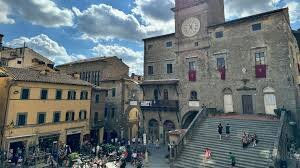
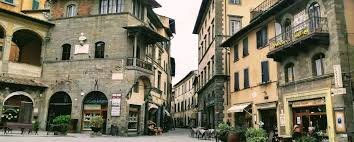
Historic Charm: Cortona's well-preserved medieval architecture, including the grand Piazza della Repubblica and the ancient Etruscan walls, offers a journey back in time. Visitors can explore charming narrow streets, historic churches like Santa Margherita, and the imposing Fortezza Medicea.
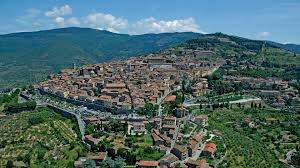
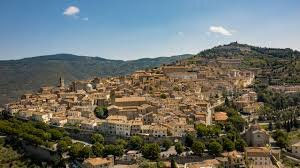
Panoramic Views: Perched on a hilltop, Cortona offers breathtaking views of the Valdichiana valley and Lake Trasimeno. The town's vantage points are perfect for photographers and nature lovers seeking picturesque landscapes.
Art and Culture: The Museo Diocesano and the MAEC (Museo dell'Accademia Etrusca) showcase Cortona's rich artistic and Etruscan heritage. The town also hosts various cultural events, art exhibitions, and festivals throughout the year, providing a deep dive into local traditions.
Culinary Delights: Tuscany is renowned for its cuisine, and Cortona is no exception. Visitors can indulge in traditional dishes, local wines, and olive oils. Cooking classes and wine tours are popular activities, offering an immersive experience into the flavors of the region.
Outdoor Activities: The surrounding Tuscan countryside is ideal for outdoor adventures. Hiking, cycling, and horseback riding are excellent ways to explore the area's natural beauty, from rolling hills to lush vineyards and olive groves.
Unique Accommodations: Staying in Cortona provides a unique opportunity to experience local life. From rustic farmhouses to elegant villas and cozy B&Bs, the accommodations reflect the town's charm and hospitality, enhancing the overall travel experience.
These details capture the essence of Cortona, making it a beloved destination for travelers seeking a mix of history, culture, natural beauty, and culinary excellence.






Details & Programs
Cortona, nestled in the heart of Tuscany, Italy, exemplifies the principles of a Slow City, making it an exceptional destination for those seeking a sustainable and immersive travel experience. This charming hilltop town, with its ancient walls, stunning views, and rich Etruscan history, invites travelers to slow down and savor its cultural heritage, culinary delights, and natural beauty. Cortona's commitment to preserving its historical sites, promoting local agriculture and artisanal crafts, and maintaining a slow-paced, community-focused lifestyle aligns perfectly with the ideals of slow and sustainable tourism.
Let's craft a three-day itinerary that embraces the slow and sustainable ethos of Cortona.
Day 1: Exploration of Nature and Historical Charm
Morning: Begin your visit with a leisurely hike along the Sentiero della Bonifica, an ancient path that offers picturesque views of the Tuscan countryside. This eco-friendly activity allows you to connect with nature and appreciate the region's natural beauty.
Afternoon: Explore Cortona's historic center, visiting landmarks such as the Etruscan Museum, which houses an impressive collection of artifacts, and the Diocesan Museum, home to works by renowned Renaissance artists. Stroll through the town's narrow streets, admiring the traditional stone houses and artisanal shops.
Evening: Enjoy dinner at Osteria del Teatro, where you can savor dishes made with locally sourced ingredients, highlighting Cortona's commitment to sustainable gastronomy.
Day 2: Community Engagement and Gastronomic Discoveries
Morning: Participate in a local workshop or community event, such as an olive oil tasting at a nearby farm, where you can learn about traditional methods of olive cultivation and oil production, essential aspects of the region's agrarian culture.
Afternoon: Visit a local vineyard to discover the winemaking process and indulge in a wine tasting session, experiencing the flavors of Tuscan wines while learning about sustainable viticulture.
Evening: Take part in a cooking class focused on Tuscan cuisine, where you can learn to prepare classic dishes using ingredients from local markets. Enjoy the meal you've created, deepening your connection to Cortona's culinary heritage.
Day 3: Leisure and Artisanal Exploration
Morning: Spend your morning at leisure, perhaps visiting the Fortezza di Girifalco for panoramic views of the surrounding countryside or relaxing in the town's serene gardens.
Afternoon: Engage with Cortona's artisan scene by visiting local workshops, where you can observe the creation of traditional crafts such as ceramics, leather goods, and textiles. This is an excellent opportunity to support local artisans and purchase unique, handcrafted souvenirs.
Evening: Conclude your visit with dinner at La Bucaccia, a restaurant that prides itself on using local, seasonal ingredients to create innovative dishes that reflect Cortona's gastronomic traditions.
Accommodation Options:
Relais Il Falconiere: This charming hotel, set in a restored 17th-century villa, offers a sustainable and luxurious experience, featuring an organic vineyard, spa, and restaurant serving dishes made from locally sourced ingredients.
Agriturismo Il Palazzo: For a more rustic experience, this agriturismo provides an authentic connection to Tuscan agriculture, offering comfortable accommodations in a serene, rural setting, with opportunities to learn about local farming practices.
The Accomodations


