La Orotava
Enchanting slow city in the Canary Islands

Why we are Slow.
Our best Slow Activities
Questo è un paragrafo. Fai clic qui per modificarlo e aggiungere il tuo testo.
“Slow” Projects and Characteristics of the Municipality of Villa de La Orotava
Year of certification: 2018
Environmental Protection and Energy
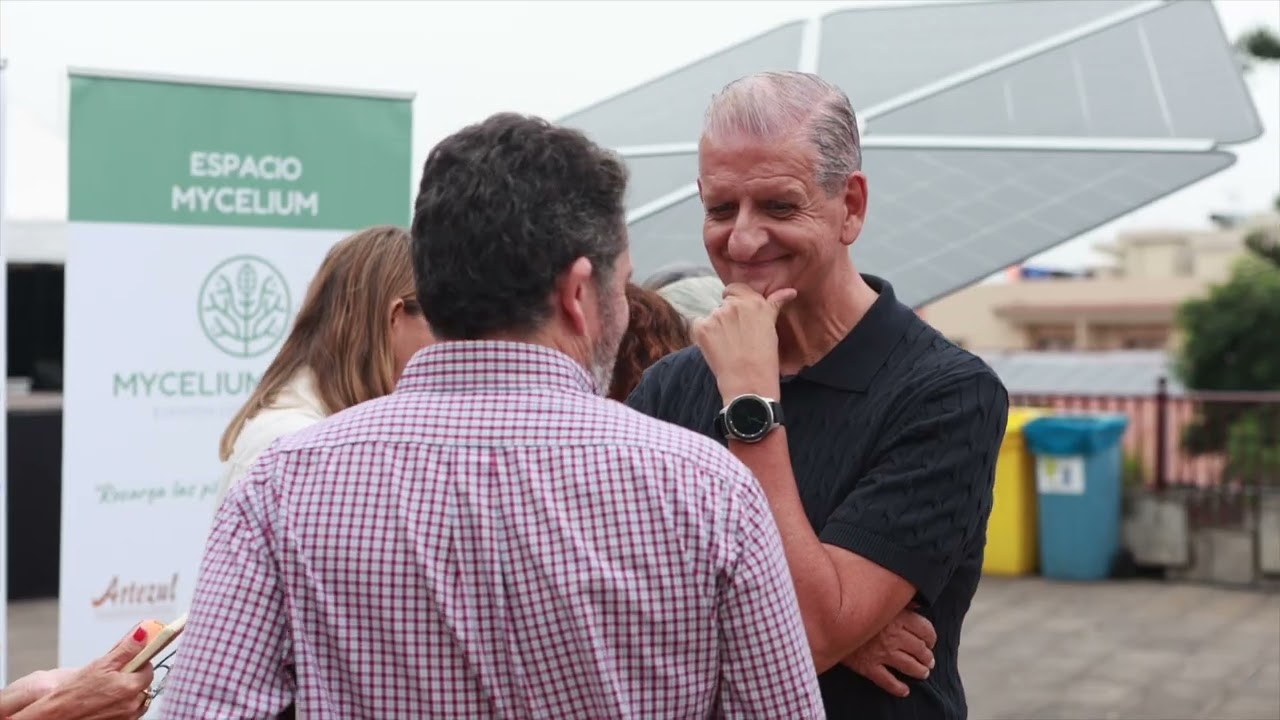
La Orotava has invested in energy efficiency through improvements to public lighting and municipal electrical installations, alongside the introduction of solar panels on public facilities. Measures to reduce light pollution connect energy management with the protection of the night sky, while awareness campaigns encourage residents to reduce electricity consumption.
Environmental initiatives also include separate waste collection, composting of material from municipal green spaces and responsible water use. The Municipal Environmental Education Centre and the Telesforo Bravo Visitor Centre provide opportunities to learn about local biodiversity and the natural heritage of Teide National Park.
Urban Quality and Resilience
The conservation of the historic centre forms an important part of La Orotava’s approach to urban quality. A dedicated protection plan supports the preservation and restoration of historic buildings, complemented by the maintenance of streets, squares, public furniture and signage. Improvements to pavements and the removal of architectural barriers have also addressed accessibility.
Municipal organic gardens combine productive green space with training and environmental education. Resilience initiatives have included public information about emergency planning, while fibre-optic infrastructure and connections between municipal facilities support access to digital services.
Slow Mobility
Improvements to streets and pavements contribute to a more accessible environment for everyday journeys. The removal of architectural barriers supports movement through the town, particularly for people with reduced mobility, while measures governing loading and unloading help organise deliveries in commercial areas.
Cycling infrastructure, bicycle parking and alternatives to private cars were identified as areas for development within the tourism planning described in the certification programme. These priorities were considered alongside collaboration with the University of La Laguna and the European University of the Canary Islands.
Agriculture, Local Products, and Traditions
La Orotava supports local agriculture through its farmers’ market, municipal organic gardens and initiatives facilitating access to agricultural land. Direct sales connect producers with consumers, while training helps maintain agricultural activity and knowledge of local growing practices.
Viticulture is closely associated with the identity of the Orotava Valley, including the traditional cordón trenzado method of training vines. Craftsmanship and rural knowledge are also promoted through the Pinolere Ethnographic Park, fairs and educational activities introducing younger generations to traditional trades, games and Canarian music.
Social Cohesion and Health Services
Community initiatives bring together education, volunteering, neighbourhood participation and support for people with disabilities. Municipal programmes have included extracurricular activities, scholarships, youth activities and support for sports clubs. The Municipal School of Music and Dance provides another setting for learning and cultural participation.
Healthcare is provided through health centres and local consulting facilities, including Las Dehesas. Health education initiatives have addressed diabetes, coeliac disease and healthy lifestyles. Social support and employment training complement these activities, helping residents facing economic difficulties or barriers to work.
Slow Tourism and Hospitality
La Orotava connects the discovery of its historic centre with museums, traditional crafts, local food and the surrounding landscape. Its museum network and educational visits offer ways to understand the municipality through the knowledge and practices of its community. Small rural hotels and accommodation in historic buildings form part of this visitor experience.
Tourist information, interpretive materials and municipal communication support the exploration of the town. Collaboration with universities has contributed to tourism planning, while the promotion of local products links hospitality with agriculture and the preservation of the landscape. Consumer information initiatives also support transparency and awareness of visitors’ and residents’ rights.
List of Events
Corpus Christi Carpets — Alfombras de La Orotava
Flower carpets in the historic streets and a large composition made with natural volcanic sands in the Town Hall square express a tradition of ephemeral art and community participation.
Pinolere Craft Fair — Feria de Artesanía de Pinolere
A gathering dedicated to Canarian craftsmanship, providing opportunities to discover traditional skills, meet artisans and support the transmission of knowledge between generations.
Canary Islands Cheese Fair — Feria del Queso de Canarias
Held at the Pinolere Museum and Ethnographic Park, the fair promotes island cheeses and the agricultural and pastoral traditions associated with their production.
Farmers’ Market — Mercadillo del Agricultor
A regular meeting place for producers and consumers,


Slow Tourism.
Our best slow experiences
Slow Events.
Main Slow Event
Slow News.
Dont miss any last news & suggestion
Follow the blog and keep in touch with the Città Slow Netwok activities, in Italy, and all over the world.